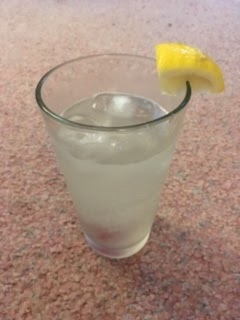
According to 3-Ingredient Cocktails by Robert Simonson, a Tom Collins combines gin, 1:1 simple syrup, lemon juice and soda water. As noted in this post, the distinction between a Tom Collins and John Collins is fuzzy but Simonson's awfully persnickety so I'll trust him.
The resulting drink was quite pleasant, a sweeter version of a gin & tonic. Simonson recommends a lemon wedge and a brandied cherry for garnish. My wife didn't see any jarred brandied cherries at the store so we may need to look into making our own - such a hardship! I used a regular maraschino cherry this time.
Happy, Healthy Squid
I'm down half a pound this week so the weight now stands at B-8 (baseline minus 8 lbs). I'm actually rather surprised. I was not so well-behaved this week, missing my exercise goals twice, once by accident, once through laziness. I was half-expecting a spike. Surprises abound.
From my walks:
"If more of us valued food and cheer and song over hoarded gold, it would be a merrier world." - J.R.R. Tolkien
Tuesday, September 17, 2019
Monday, September 16, 2019
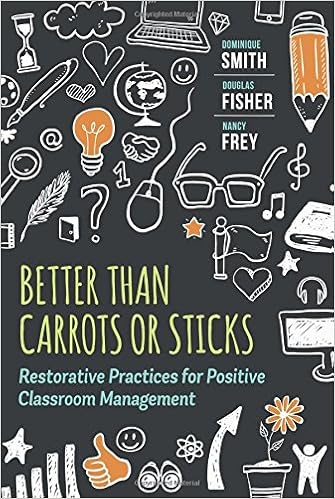
On the Coffee Table: Better Than Carrots or Sticks
Title: Better Than Carrots or Sticks: Restorative Practices for Positive Classroom Management
Authors: Dominique Smith, Douglas Fisher and Nancy Frey
Our faculty summer read was Better Than Carrots or Sticks. There's a big push for restorative practices as a new approach to student behavior these days. It is a philosophy born in the criminal justice system that has seen some success with meaningful implications for education. Apparently, this traveling of ideas between prisons and schools happens a lot, in both directions.
Wikipedia defines restorative practices thusly: a social science that studies how to improve and repair relationships between people and communities. The purpose is to build healthy communities, increase social capital, decrease crime and antisocial behavior, repair harm and restore relationships.[1] It ties together research in a variety of social science fields, including education, psychology, social work, criminology, sociology, organizational development and leadership.
The book is well written and I appreciate the fact that the teachers are educators themselves who have put the principles into practice and found success. Particularly meaningful, are the student reflections on the experience. I am completely on board with the idea philosophically. I will readily admit that it took me too long as a teacher to figure out that relationships are everything. They are, in fact, far more important than content. It's not even close. The restorative work is not easy but, at least from what I've seen so far, it is worth the effort.
The problem in practice is that schools tend to move too fast. They want to move from the old punitive model to the restorative with a single administrative directive and it doesn't work. The shift involves glacial cultural change among all stakeholders. Frustrations and setbacks are inevitable. Patience on all sides can be severely tested. The book, and many other resources on the subject, warn of this. Districts heedlessly push on. Again, I'm on board philosophically but the growing pains are considerable.
It's also a tough book to read in the summer. I do my best to pretend I don't have a job in the summer. In July, I mostly succeed. In August, it's hard. I can smell it coming. A book about the most frustrating part of the job, especially, feels like an intrusion. I know it's good for me. But still.
If you're interested in the subject, Better Than Carrots or Sticks is a fine place to start.
Authors: Dominique Smith, Douglas Fisher and Nancy Frey
![]() |
| via Amazon |
Wikipedia defines restorative practices thusly: a social science that studies how to improve and repair relationships between people and communities. The purpose is to build healthy communities, increase social capital, decrease crime and antisocial behavior, repair harm and restore relationships.[1] It ties together research in a variety of social science fields, including education, psychology, social work, criminology, sociology, organizational development and leadership.
The book is well written and I appreciate the fact that the teachers are educators themselves who have put the principles into practice and found success. Particularly meaningful, are the student reflections on the experience. I am completely on board with the idea philosophically. I will readily admit that it took me too long as a teacher to figure out that relationships are everything. They are, in fact, far more important than content. It's not even close. The restorative work is not easy but, at least from what I've seen so far, it is worth the effort.
The problem in practice is that schools tend to move too fast. They want to move from the old punitive model to the restorative with a single administrative directive and it doesn't work. The shift involves glacial cultural change among all stakeholders. Frustrations and setbacks are inevitable. Patience on all sides can be severely tested. The book, and many other resources on the subject, warn of this. Districts heedlessly push on. Again, I'm on board philosophically but the growing pains are considerable.
It's also a tough book to read in the summer. I do my best to pretend I don't have a job in the summer. In July, I mostly succeed. In August, it's hard. I can smell it coming. A book about the most frustrating part of the job, especially, feels like an intrusion. I know it's good for me. But still.
If you're interested in the subject, Better Than Carrots or Sticks is a fine place to start.
Friday, September 13, 2019
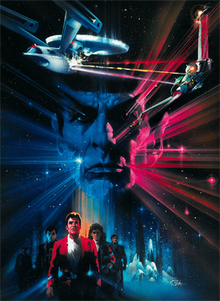
Squid Flicks: Star Trek III: The Search for Spock
Title: Star Trek III: The Search for Spock
Director: Leonard Nimoy
Original Release: 1984
My Overall Rating: 4 stars out of 5
With the third Star Trek feature film, the Project Genesis story arc continues. The Enterprise crew returns to port with heavy hearts. Their beloved comrade Spock is gone. To make matters worse, something's wrong with Dr. McCoy. It would seem that through a last-minute mind meld before his death, Spock managed to preserve his own living essence in Bones's brain and the effect on the good doctor is unsettling to say the least. A visit from Sarek, Spock's father played by our old friend Mark Lenard, clarifies the course of action: retrieve Spock's body from the Genesis planet, then bring both Spock and McCoy to Vulcan in order to resolve the matter. Starfleet won't approve the mission. Wouldn't make for much of a movie if our friends let them stop them, now, would it?
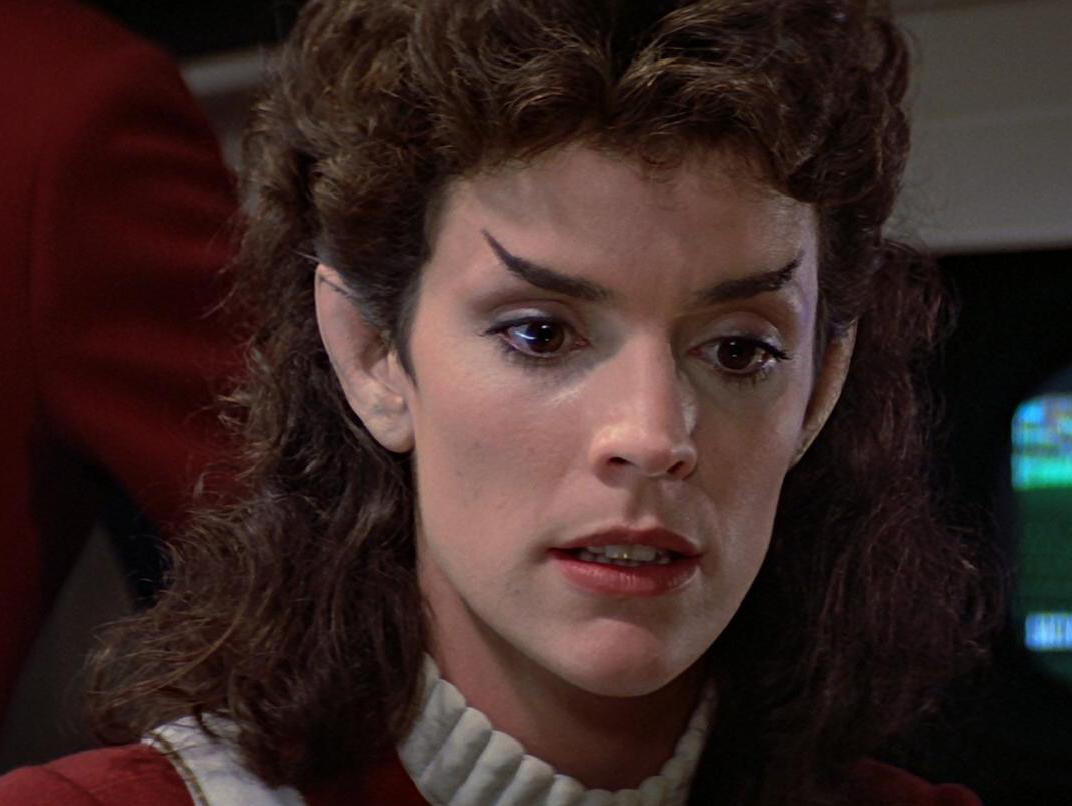
Meanwhile, the Klingons have learned of Genesis and want the tech for themselves, craving its destructive power. When Saavik (now played by Robin Curtis) and David Marcus descend to the Genesis planet in order to investigate animal life signs, they discover a resurrected Spock, now a small boy. Unfortunately, all three are soon captured by the Klingons and David is killed.
As with The Motion Picture, I enjoyed The Search for Spock a lot more than I did when I first watched it back in the '80s. However, in trying to correct the great injustices from The Wrath of Khan, the story generates as many new questions as answers. I have two main issues with the story, one small, one enormous. Let's tackle the small one first...
Kirk and his friends essentially commit mutiny when they steal the Enterprise out of dock to retrieve Spock. To boot, Scotty sabotages the Excelsior, the Federation ship likely to run after them. Obviously, we as the audience want our heroes to succeed but it feels icky ethically and, perhaps worse, anti-Trek.
Interestingly, there is precedent for this sort of behavior in the Star Trek canon. In "The Menagerie," TOS's only 2-part story, Spock kidnaps Christopher Pike, his former commanding officer, hijacks the Enterprise and sets course for Talos IV, forbidden territory. He risks not only court martial but execution. By tale's end, he is found to have acted out of loyalty to Pike and is exonerated. With one more movie to go in our current story arc, we don't yet know what consequences may be waiting for Kirk and company but we do know there is precedence for forgiveness.
The bigger issue is far more complicated: Spock's resurrection. I can attest to the fact that at the time, the fans were happy to have him back. Trek, at least at that point, was inconceivable without him. 30+ years on, with five spin-off series and counting plus movies and a mini-series without him as a principal character, we know the broader concept thrives beyond Spock. But for the original cast of characters, he was essential. That was the scary part of losing him at the end of Khan: was Star Trek finished?
Anyone who follows comic books, sci-fi, fantasy or soap operas is fully aware that you can never assume a character is permanently dead. Even so, the "science" that brings back Spock is awfully sketchy. I have less complaint over the Vulcan spiritual side of things. Religion, after all, is the natural realm for such matters. I suppose we can write off the science problems by stating that the full capacity of the Genesis tech was not fully understood - David suggests as much. But why didn't Spock's rapid aging continue? Were the Genesis affects lessened once Spock was off-planet or is Vulcan medicine just that good? And why couldn't David's life be salvaged similarly? Was it too late in the planet's own life cycle to be of any help? What a shame that Saavik didn't think to mind meld with him in time!
It's fiction. I can live with suspension of disbelief. But it makes a guy think.
David's death and the destruction of the Enterprise - did I forget to mention that bit? - were intended as the big emotional impact moments for the movie. David's death is certainly sad and Kirk takes it hard. The effect on the audience would have been more profound, I think, with more development devoted to the character and his relationship with Kirk.
As for the ship, it just doesn't seem that big a deal now. Mind you, it was startling at the time but hardly Spock-death shattering. A ship is an inanimate object - important symbolically, sure, but ships can be rebuilt. Obviously we know all these years later that there will be other, better Enterprise starships to come. It's a moment with greater in-story impact than it has on the audience.
Trekkie treats
Real world topical notes
Actor notes
Music notes
My ranking of the movies so far:
Director: Leonard Nimoy
Original Release: 1984
My Overall Rating: 4 stars out of 5
| via Wikipedia |
Meanwhile, the Klingons have learned of Genesis and want the tech for themselves, craving its destructive power. When Saavik (now played by Robin Curtis) and David Marcus descend to the Genesis planet in order to investigate animal life signs, they discover a resurrected Spock, now a small boy. Unfortunately, all three are soon captured by the Klingons and David is killed.
As with The Motion Picture, I enjoyed The Search for Spock a lot more than I did when I first watched it back in the '80s. However, in trying to correct the great injustices from The Wrath of Khan, the story generates as many new questions as answers. I have two main issues with the story, one small, one enormous. Let's tackle the small one first...
Kirk and his friends essentially commit mutiny when they steal the Enterprise out of dock to retrieve Spock. To boot, Scotty sabotages the Excelsior, the Federation ship likely to run after them. Obviously, we as the audience want our heroes to succeed but it feels icky ethically and, perhaps worse, anti-Trek.
Interestingly, there is precedent for this sort of behavior in the Star Trek canon. In "The Menagerie," TOS's only 2-part story, Spock kidnaps Christopher Pike, his former commanding officer, hijacks the Enterprise and sets course for Talos IV, forbidden territory. He risks not only court martial but execution. By tale's end, he is found to have acted out of loyalty to Pike and is exonerated. With one more movie to go in our current story arc, we don't yet know what consequences may be waiting for Kirk and company but we do know there is precedence for forgiveness.
The bigger issue is far more complicated: Spock's resurrection. I can attest to the fact that at the time, the fans were happy to have him back. Trek, at least at that point, was inconceivable without him. 30+ years on, with five spin-off series and counting plus movies and a mini-series without him as a principal character, we know the broader concept thrives beyond Spock. But for the original cast of characters, he was essential. That was the scary part of losing him at the end of Khan: was Star Trek finished?
Anyone who follows comic books, sci-fi, fantasy or soap operas is fully aware that you can never assume a character is permanently dead. Even so, the "science" that brings back Spock is awfully sketchy. I have less complaint over the Vulcan spiritual side of things. Religion, after all, is the natural realm for such matters. I suppose we can write off the science problems by stating that the full capacity of the Genesis tech was not fully understood - David suggests as much. But why didn't Spock's rapid aging continue? Were the Genesis affects lessened once Spock was off-planet or is Vulcan medicine just that good? And why couldn't David's life be salvaged similarly? Was it too late in the planet's own life cycle to be of any help? What a shame that Saavik didn't think to mind meld with him in time!
It's fiction. I can live with suspension of disbelief. But it makes a guy think.
David's death and the destruction of the Enterprise - did I forget to mention that bit? - were intended as the big emotional impact moments for the movie. David's death is certainly sad and Kirk takes it hard. The effect on the audience would have been more profound, I think, with more development devoted to the character and his relationship with Kirk.
As for the ship, it just doesn't seem that big a deal now. Mind you, it was startling at the time but hardly Spock-death shattering. A ship is an inanimate object - important symbolically, sure, but ships can be rebuilt. Obviously we know all these years later that there will be other, better Enterprise starships to come. It's a moment with greater in-story impact than it has on the audience.
Trekkie treats
- While The Search is not the best Trek movie, it does contain the saga's best Bones-Spock story. The scene when Bones confesses his feelings of loss to an unconscious Spock is genuinely touching - perhaps the story's sweetest moment.
- I appreciate the fact that the damage to the lift door on the bridge of the Enterprise was maintained from the end of Wrath of Khan - the smallest details can be the most meaningful.
- There are Tribbles on a table at the bar on the spacedock!
Real world topical notes
- Kudos for taking on both scientific ethics and the weapons of mass destruction crisis in the Project Genesis story.
Actor notes
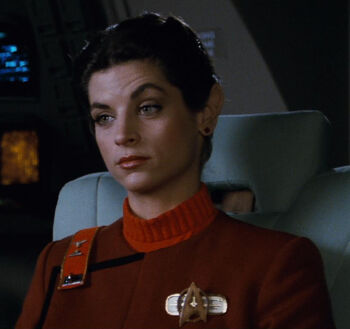
- Kirstie Alley was not so enamored of Star Trek that she was willing to sign on as Saavik for the sequel. She was worried about being typecast. She was probably wise to see that her brighter future was in comedy. Apparently, the woman is genuinely crazy funny. Robin Curtis, another relative newcomer but one with a fortuitous friendship with the casting director at Paramount, won the role.
![]() |
| Robin Curtis via Memory Alpha |
![]() |
| Kruge via Memory Alpha |
| Doc Brown via Wikipedia |
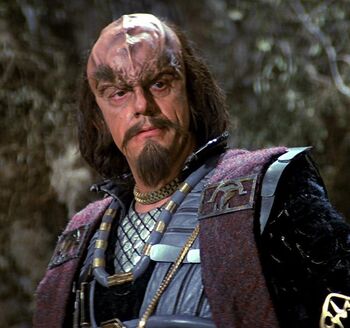
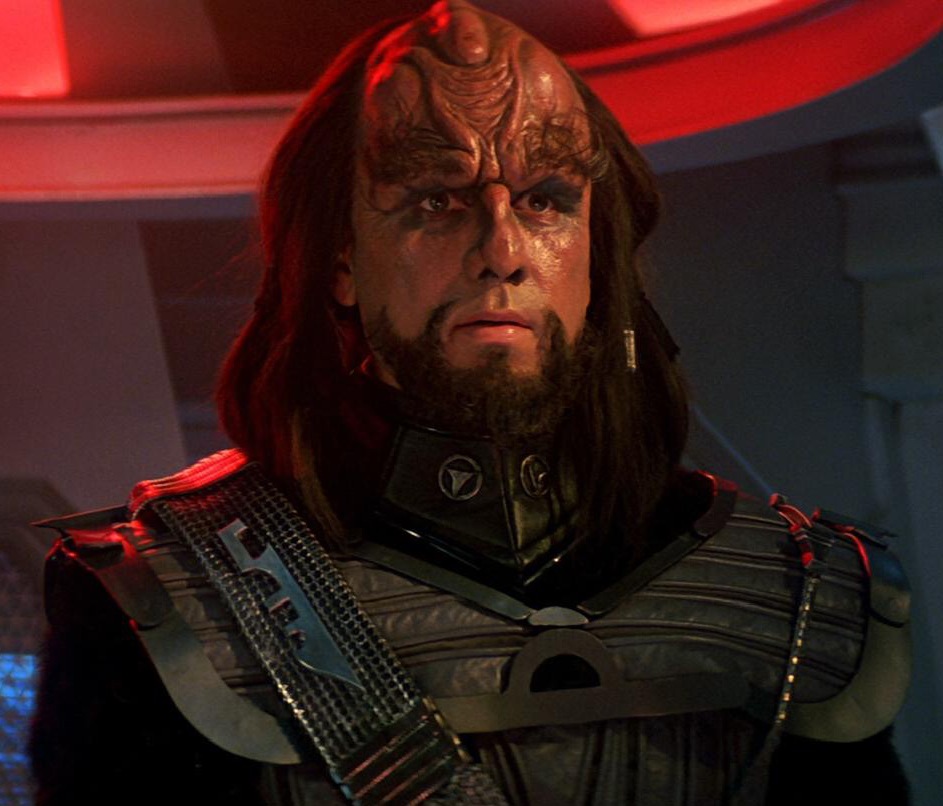
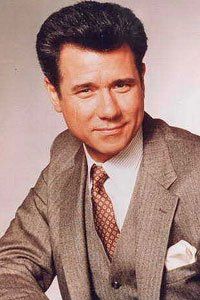
- Two of the Klingons might seem familiar to television and sci-fi fans. Christopher Lloyd won the part of Kruge, the leader of the Klingon band, over Nimoy's original choice, Edward James Olmos. Already famous for his role on Taxi, Lloyd was still a year away from his career-cementing role: Doc Brown in Back to the Future. Less well-known in 1984 was John Larroquette who played the part of Maltz, Kruge's right-hand man. Night Court, on which Larroquette played the sleazy Dan Fielding, finished its first season the night before The Search for Spock opened in theaters. Larroquette has since won five Emmys and a Tony.
![]() |
| Maltz via Memory Alpha |
![]() |
| Dan via Night Court Wiki |
Music notes
- James Horner returned for The Search for Spock. The title theme, borrowing heavily from the Spock theme he had composed for Khan:
My ranking of the movies so far:
- Star Trek II: The Wrath of Khan
- Star Trek III: The Search for Spock
- Star Trek: The Motion Picture
Labels:
comics,
good reading,
movie music,
music,
sources,
star trek
Tuesday, September 10, 2019
Squid on the Vine
I didn't know much about wine before I met my wife, nearly 21 years ago now. I enjoyed drinking wine, though I would have considered myself more of a beer drinker at the time. Still would, in fact. My wife knew a lot more as she did with nearly all things food. She also enjoys it more than I do and if anything, her preference for grapes over barley and hops has increased over the years. Wine certainly intrigues me - for its own sake, certainly, but also as a vehicle for knowing my wife better. We have long intended to invest time in learning more about the fruit of the vine - together. Recently, I have become a lot more purposeful in my own explorations.
Mission #1 is learning more about what I like. I know a lot about what I like in a beer: hoppy is good. I have learned quite a lot recently about my cocktail preferences: a whiskey base is a good start. With wine, I have some work to do, especially with whites and rosés. In fact, I'm not sure how I feel about rosés at all, let alone which ones I like.
With reds, I'm chasing an elusive ideal. Many years ago, my wife introduced me to Château Musar, a Lebanese winery. The flagship red is a blend including Cabernet Sauvignon grapes among others. It was basically one of the most extraordinary substances I have ever ingested, warm, jammy and spicy all at once. I have never tasted its like since though whenever I encounter a red that seems to be heading in the same direction, I get awfully excited. Our red on Sunday night, for instance, a 2017 Domaine Bousquet Malbec from Argentina had the spiciness but not the jamminess - actually slightly bitter, interestingly.
My preferences in white wine are nearly opposite. While I love a big, full-bodied red, I like a clean, lighter white - pale in color, not too sweet, though not exactly dry either. A white wine should pair nicely with raw oysters: refreshing, cleansing, not too strong. Portuguese vinho verdes tend to catch my eye.
To help me in my own self-education, I have a book, Wine Folly by Madeline Puckette and Justin Hammack, and the Delectable phone app for recording my explorations. We've already taken one class, on Chablis, at Dedalus, our favorite wine shop in Burlington and we're eager to take more. As much as I can, I will share what I learn here.
Mission #1 is learning more about what I like. I know a lot about what I like in a beer: hoppy is good. I have learned quite a lot recently about my cocktail preferences: a whiskey base is a good start. With wine, I have some work to do, especially with whites and rosés. In fact, I'm not sure how I feel about rosés at all, let alone which ones I like.
![]() |
| via wine-searcher |
My preferences in white wine are nearly opposite. While I love a big, full-bodied red, I like a clean, lighter white - pale in color, not too sweet, though not exactly dry either. A white wine should pair nicely with raw oysters: refreshing, cleansing, not too strong. Portuguese vinho verdes tend to catch my eye.
![]() |
| via Amazon |
Labels:
family adventures,
food,
food books,
good reading,
non-fiction books,
wine
Friday, September 6, 2019
Squid Flicks: Star Trek II: The Wrath of Khan
Title: Star Trek II: The Wrath of Khan
Director: Nicholas Meyer
Original Release: 1982
My Overall Rating: 5 stars out of 5
While the first Star Trek feature film raked in nine figures at the box office, production came in way over budget. A sequel was inevitable but Gene Roddenberry was forced out of creative control. Whether that was the correct choice or not, the resulting movie was outstanding. The Wrath of Khan is widely regarded as the finest Trek film of all. I will go a step further: this is the best installment for the original characters period, television series included. It's not a slam dunk winner but it's definitely in the conversation. More on that in a bit.
There will be spoilers. I think at 37 years, we're past the statute of limitations.
While leading a training mission, Admiral Kirk receives a message from Carol Marcus (Bibi Bisch), lead scientist on Project Genesis, a technology capable of generating life on a barren planet. She is also, we learn, his ex-girlfriend and a significant one at that. She is royally pissed off with him at the moment. Kirk has no idea why but we, the audience, do. Khan Noonien Singh (Ricardo Montalbán), an old nemesis from TOS episode "Space Seed," has kidnapped Chekov and his current captain, Clark Terrell (Paul Winfield). Khan is using his captives to manipulate Marcus into believing Starfleet is coming for her tech. Kirk leads his Enterprise crew to go sort matters out with Marcus, not realizing he's walking into Khan's trap.
So, why is this movie the best one? In order to address that, we have to acknowledge the narrative elephant in the room: Spock dies. It is probably the most poignant moment in the entire franchise. Many of the tech crew, including the cinematographer, were in tears during filming of the scene. It's such a big deal that one easily forgets the other major bomb drop: James T. Kirk has a child! Carol raised their son David (Merritt Butrick), now an adult scientist working by her side, on her own. Those two elements alone put The Wrath of Khan in exclusive company among Star Trek's most significant stories. But they're not the only reasons.
Placing Khan above the first movie is relatively straight forward. In addition to shifting creative control, Paramount Pictures insisted on a smaller budget for the sequel. The special effects aren't nearly as slick and the sets and overall production quality feel more like a television show than an early '80s sci-fi cinema classic. As a result, it's more like Star Trek and that's a wonderful thing. Less is more. 21st century filmmakers, take note!
More importantly, the script is several strata above the first one. Give due credit to the editors as well. This material is significantly kinder to Kirk. He still has to make a case to lead the Enterprise as the job is beneath his official rank but he does so with reluctance rather than arrogance. A story doesn't always require a likeable protagonist to be compelling - see Don Draper, Mad Men - but a Star Trek story does. The hero can have flaws, and Kirk certainly does. Who better than your best friends, your ex-girlfriend and your adult son to lay them out plainly for you? But we have to root for his success. I wanted to see Kirk get his comeuppance in the first movie. In the second, I long to see his redemption. Big difference.
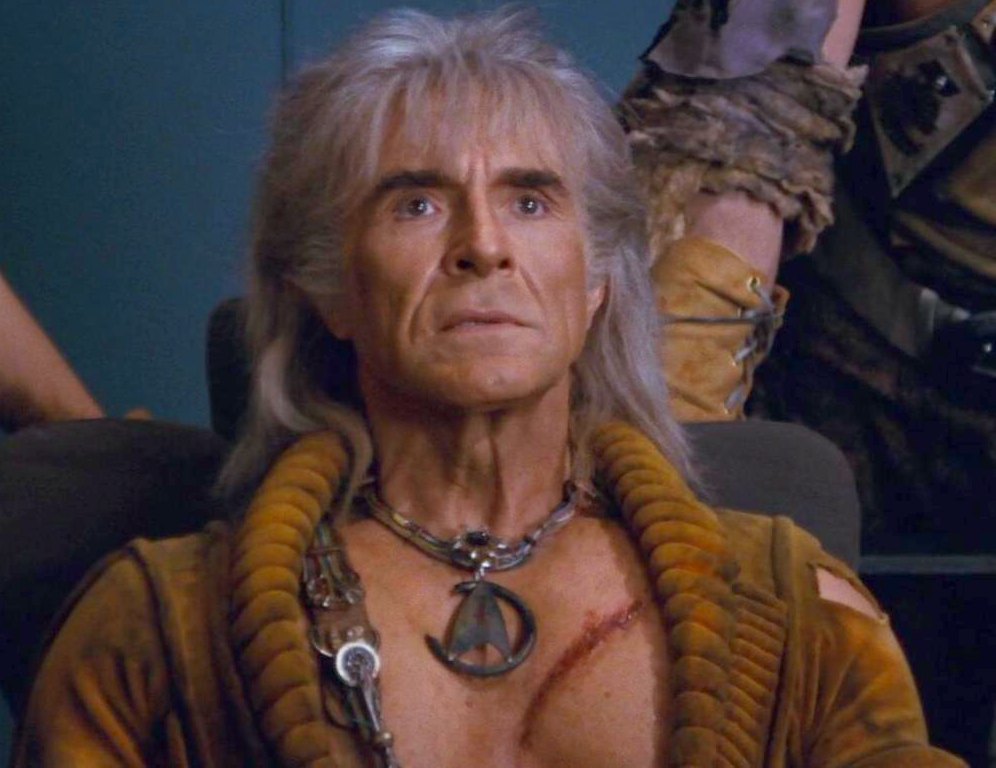
Ricardo Montalbán deserves mad props as well. Even with the death of Spock to compete with, Khan nearly steals the show. Kirk is always at his best when sparring with a nemesis. Khan is not my all-time favorite. I prefer Mark Lenard's Romulan commander in "Balance of Terror." But Montalbán's presence far outweighs his screen time. And those pecs are real, folks. Mr. Roarke was buff!
The emotional impact of The Wrath of Khan depends on investment in character and a significant debt is owed to stories past. "City on the Edge of Forever," "Mirror, Mirror" and "Balance of Terror" are all strong consensus contenders for best TOS episode. I'd throw my personal favorite "Journey to Babel" in there, too, especially for Spock development. "Space Seed" ain't half-bad either. Khan brings together so much of the best of Trek. Indeed, there are strains of "Balance of Terror" in the submarine-like battle between Kirk and Khan. I would never be one to downplay the importance of the journey and the combined effect of Spock's death and David's forgiveness are only enhanced by what has come before. Nonetheless, the terrible and delicious feeling of "where on earth do we go from here?" at the end of Khan is new and exclusive territory for the overall Trek saga. It's not a "Vader is Luke's father" level cliffhanger but it's still damn good.
Story notes
Acting notes
Food notes
Literary notes
Music notes
Upcoming events
I grant George Costanza the last word:
Director: Nicholas Meyer
Original Release: 1982
My Overall Rating: 5 stars out of 5
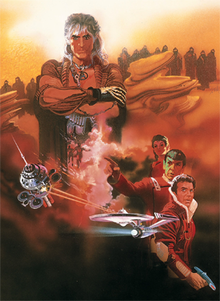
| via Wikipedia |
There will be spoilers. I think at 37 years, we're past the statute of limitations.
While leading a training mission, Admiral Kirk receives a message from Carol Marcus (Bibi Bisch), lead scientist on Project Genesis, a technology capable of generating life on a barren planet. She is also, we learn, his ex-girlfriend and a significant one at that. She is royally pissed off with him at the moment. Kirk has no idea why but we, the audience, do. Khan Noonien Singh (Ricardo Montalbán), an old nemesis from TOS episode "Space Seed," has kidnapped Chekov and his current captain, Clark Terrell (Paul Winfield). Khan is using his captives to manipulate Marcus into believing Starfleet is coming for her tech. Kirk leads his Enterprise crew to go sort matters out with Marcus, not realizing he's walking into Khan's trap.
So, why is this movie the best one? In order to address that, we have to acknowledge the narrative elephant in the room: Spock dies. It is probably the most poignant moment in the entire franchise. Many of the tech crew, including the cinematographer, were in tears during filming of the scene. It's such a big deal that one easily forgets the other major bomb drop: James T. Kirk has a child! Carol raised their son David (Merritt Butrick), now an adult scientist working by her side, on her own. Those two elements alone put The Wrath of Khan in exclusive company among Star Trek's most significant stories. But they're not the only reasons.
Placing Khan above the first movie is relatively straight forward. In addition to shifting creative control, Paramount Pictures insisted on a smaller budget for the sequel. The special effects aren't nearly as slick and the sets and overall production quality feel more like a television show than an early '80s sci-fi cinema classic. As a result, it's more like Star Trek and that's a wonderful thing. Less is more. 21st century filmmakers, take note!
More importantly, the script is several strata above the first one. Give due credit to the editors as well. This material is significantly kinder to Kirk. He still has to make a case to lead the Enterprise as the job is beneath his official rank but he does so with reluctance rather than arrogance. A story doesn't always require a likeable protagonist to be compelling - see Don Draper, Mad Men - but a Star Trek story does. The hero can have flaws, and Kirk certainly does. Who better than your best friends, your ex-girlfriend and your adult son to lay them out plainly for you? But we have to root for his success. I wanted to see Kirk get his comeuppance in the first movie. In the second, I long to see his redemption. Big difference.
Ricardo Montalbán deserves mad props as well. Even with the death of Spock to compete with, Khan nearly steals the show. Kirk is always at his best when sparring with a nemesis. Khan is not my all-time favorite. I prefer Mark Lenard's Romulan commander in "Balance of Terror." But Montalbán's presence far outweighs his screen time. And those pecs are real, folks. Mr. Roarke was buff!
![]() |
| via Memory Beta |
Story notes
- Much has been made over the years of a perceived continuity error. Khan instantly recognizes Chekov (Walter Koenig) upon encountering him at the beginning of the movie. The problem: Koenig didn't join the Trek cast until Season 2 of TOS and "Space Seed" is a Season 1 episode. Out-of-canon efforts have been made to rectify the contradiction. The novel To Reign in Hell establishes Chekov as a security officer at the time of the episode. Koenig's own explanation is the funniest: Chekov was an off-camera character who stayed in the bathroom too long while Khan was waiting.
Acting notes
- For Kirstie Alley, the role of Saavik was a dream come true. She was a devoted Trekkie as a child, going to bed wearing Vulcan ears. To be sure, she earned greater long-term fame as Rebecca Howe on Cheers but the Trek gig was a meaningful breakthrough.
![]() |
| via Memory Alpha |
Food notes
- Early in the story, Bones brings Kirk a bottle of Romulan ale as a birthday gift, the first canon appearance for the beverage or at least the first to be named as such. There are blue drinks on the Romulan table in TOS's "The Enterprise Incident." Naturally, there have been real-world attempts to produce and market the drink, including this recipe.
Literary notes
- This latest rewatch has sparked my interest in the two 19th-century classics quoted in the dialogue: Melville's Moby Dick invoked by Khan and Dickens' Tale of Two Cities by Kirk.
Music notes
- James Horner has composed well over 100 film scores and Khan was his big breakthrough. He is probably the most successful score composer of the era not named John Williams. His work is more conventional than Jerry Goldsmith's so this is actually one area where I give The Motion Picture the edge. Still, Khan's music is effective, particularly the homage to the original series in the opening credits and the strains of "Amazing Grace" at the end.
- How do you make the saga's most emotionally poignant moment even more heartbreaking? You put Scotty on bagpipes.
Upcoming events
- Like The Motion Picture, The Wrath of Khan may also be coming to a big screen near you, though with a more glamorous presentation. William Shatner himself is touring with the film, including promises of audience Q&A. He'll be at the Flynn in Burlington in January. I doubt we'll go as tickets aren't cheap but I'll be grateful for a report back if anyone else sees him. We went to a similar John Cleese-led presentation of Holy Grail a couple years ago and enjoyed it immensely.
I grant George Costanza the last word:
Labels:
comics,
family adventures,
food,
good reading,
movie music,
music,
sources,
star trek
Wednesday, September 4, 2019
On the Coffee Table: Carl Hiaasen
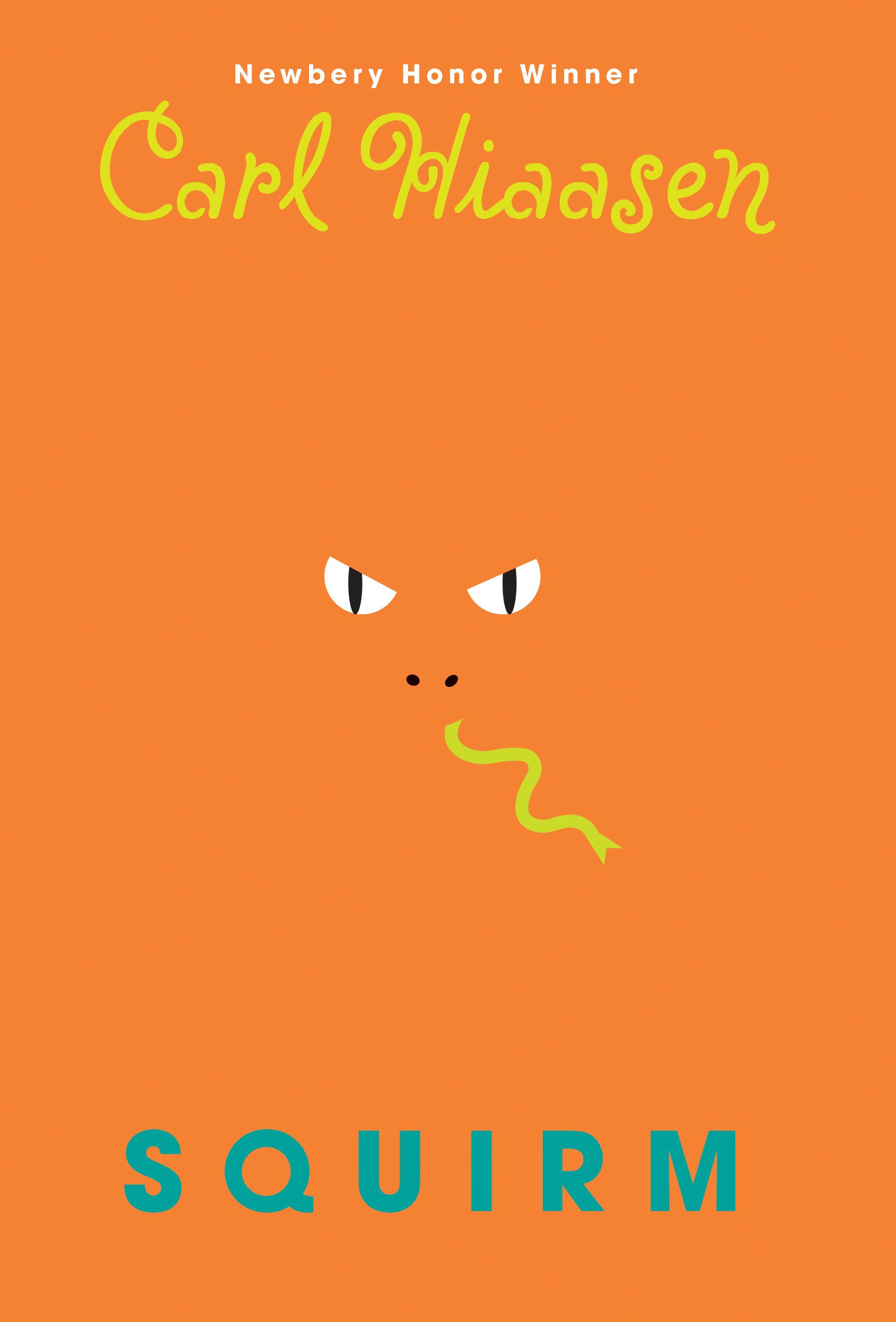
Title: Squirm
Author: Carl Hiaasen
Our summer reading selection for the sixth grade was Squirm by Carl Hiaasen. Billy Dickens is a teenager living in Florida - exact age never quite clear. He's not old enough to drive legally but he does have a bagging job at the grocery store. So, 14 maybe? Wildlife is his passion, especially snakes. He collects them, wild ones. His family is quirky to say the least. Mom moves house frequently so as to always be near a bald eagle's nest. Dad disappeared years ago but has suddenly turned up again - in Montana. The quest for a relationship with his father is the main narrative driver.
I've seen Hiaasen's books around for a while but this was my first time actually reading one. The book was fun, though less artful in prose than I had hoped. Hiaasen earns high marks for being topical: conservation, Native American quality of life. But character and relationship development are over-simplified. Moral superiority and poetic justice anchor the landscape. Not much subtlety or nuance. I long for the E.B. Whites, the George Seldens, the A.A. Milnes of yesteryear... Squirm was pleasant enough but I doubt I will seek out Hiaasen's work again.
Author: Carl Hiaasen
![]() |
| via Amazon |
I've seen Hiaasen's books around for a while but this was my first time actually reading one. The book was fun, though less artful in prose than I had hoped. Hiaasen earns high marks for being topical: conservation, Native American quality of life. But character and relationship development are over-simplified. Moral superiority and poetic justice anchor the landscape. Not much subtlety or nuance. I long for the E.B. Whites, the George Seldens, the A.A. Milnes of yesteryear... Squirm was pleasant enough but I doubt I will seek out Hiaasen's work again.
Tuesday, September 3, 2019
Healthy, Happy Squid: Losing Weight
For the first time in my life, I am making an active effort to lose weight. It is sort of a couple's project for my wife and me, though so far the only thing we're both doing is weighing in each week. I am by no means huge but I have put on about 50ish pounds since I was a scrawny teenager in the early '90s. So losing some, while not doctor-mandated, is probably a healthy choice in the long run. For now, I'm working on establishing healthier habits as opposed to dieting per se. The trouble with diets, as I see it, is that most people can't wait to get off them and go back to their usual routines, thus putting the weight back on. Instead, I would like to gradually change my normal and see where that gets me.
I began in earnest in March. Since my original weigh-in, I have lost 7.5 pounds (3.4 kg for you sensible metric types). While there have been a couple of spikes, they've only been temporary and this new number - let's call it B-7.5, B for baseline; so baseline minus 7.5 lbs - has become my new floor. The good news is that I have managed this modest loss with only two deliberate lifestyle changes: being more diligent about exercise and drinking more water. The bad news is that if I'm going to go any lower, I'm going to have to tackle the much fiercer beast: food. Let's celebrate the good first.
I'm a FitBit fiend. Mine is a FitBit One and I generally afix it to a belt loop. My goal right now is a green screen every day: 10,000 steps, 5 miles, 10 floors and 30 minutes. The screen turns green if I make them all. Or at least, it did until FitBit recently updated its phone app. It still does a little fireworks show celebration but I liked the green screen better.
So far, things are going really well, though I know from past experience such habits set in summer can be really tough to keep up through a Vermont winter. My default exercise choice, you see, is a long walk in our neighborhood. It's a gratifying hobby. We live in the woods and even on a rotten day, Vermont is still one of the most beautiful places in the world. Partly as an incentive, and partly as a way to keep myself honest, I take photos during my walks and post one on social media each day, like this one:
In so doing, not only am I getting the exercise but I'm also going outside everyday, gaining a better appreciation from my surroundings and connecting with friends - wins across the board.
But some days are definitely easier than others. In June, I felt as if I could point the camera (my phone, of course) in any random direction and catch dazzling colors. Early spring, aka Mud Season, was a lot tougher. I can bank on foliage season once it hits but after that? It's a long, monochromatic winter. Days will get shorter and I won't have as much time, especially during the work week. Our private dirt road will get icy - treacherous for driving and, if anything, worse for walking. And, of course, it will be brutally cold. Hibernation instincts are powerful. I don't worry so much about the exercise itself. Even jogging in place is better than nothing and FitBit happily counts the steps all the same. But with fewer opportunities to take pictures, I worry about losing the meaningful incentive they have provided. Even so, I have time. Perhaps I can find a meaningful indoor incentive to take the place.
Water is, so far, the only food habit I have addressed meaningfully. I aim for 64 ounces per day, the recommendation for my body weight. It's hard work. But, apart from being a generally healthy habit, it also helps with appetite. Often, when you think your body is telling you it's hungry, it's actually thirsty. Miraculously, water fulfills a basic biological need and it has zero calories.
Food is going to be tough. As my blog clearly suggests, I adore food. It is my favorite hobby of them all. Learning to eat less feels too much like learning to love less. But maybe it will be less painful if I can look at it as eating more sensibly - establishing new habits just as I have with the exercise. Thoughtfulness as opposed to systematic deprivation.
I need to learn more, about food in general and my own current tendencies. I love dummy books and the like so I invested in one: Weight Loss Kit for Dummies by Carol Ann Rinzler. Part V of the book is entitled Lifelong Weight Control. It seemed a perfect place to start.
One of many suggestions Rinzler makes is employing a "food trigger tracker" to gauge when you're snacking. I tried it this past week. Fortunately, it would seem I don't snack as often as I might have guessed - or at least, I don't when I'm paying attention. Even so, I have identified a few of my vulnerable moments: being stuck in a long meeting; doing a long, tedious chore; getting home from work (big one) and after exercise (notable yet understandable - and maybe forgivable?). I also have a couple of enablers in my life who will occasionally put irresistible food in front of me. One is a colleague, one is (sorry, Honey) my wife. Yes, I know I can say no. But I rarely want to.
Being hungry is no sin, nor is eating when you are. The key, instead, is to make healthier choices in one's snacks: grabbing an apple instead of a box of crackers, for instance. I have a lifelong passion for fruit, a passion I'm counting on to save me from another one, just as potent: baked goods. In her Part of Tens, Rinzer supplies a list of diet-friendly foods, including a few surprises: water (huzzah!), skim milk, cantaloupe, tomato, lettuce, onions, grains (sadly, this does not include fluffy, gooey pastries), chicken breast, tuna fish and chocolate. That's right, chocolate! This is an especially helpful discovery in regards to my enabling colleague whom we shall call French Teacher. She always has chocolate and she favors the really good European stuff. Dark chocolate is best for my current purposes and I have told her so. So far, she has been most accommodating.
Yes, I know, still best in moderation. But it's a better choice than the Japanese rice crackers she knows I adore and which she also always has in ample supply. Even an enabler can be diffused. I think I can manage similar adjustments in other circumstances as well, especially at home. My wife manages the shopping list but she is happy to take requests.
Next, I want to approach my meals differently. For years, I've taken a light breakfast, medium lunch and a heavy dinner. This is, of course, the exact opposite of what one is supposed to do so I want to work on inverting that, beginning with more at breakfast. Apart from being generally healthier, I figure it might also help prevent my feeling famished by the time I get home from work.
So, I have a lot to work on - definitely a long-term, challenging project. I'll keep you posted. My history has taught me one very important thing about blogging: it helps to keep me honest.
![]() |
| via Giphy |
I'm a FitBit fiend. Mine is a FitBit One and I generally afix it to a belt loop. My goal right now is a green screen every day: 10,000 steps, 5 miles, 10 floors and 30 minutes. The screen turns green if I make them all. Or at least, it did until FitBit recently updated its phone app. It still does a little fireworks show celebration but I liked the green screen better.
So far, things are going really well, though I know from past experience such habits set in summer can be really tough to keep up through a Vermont winter. My default exercise choice, you see, is a long walk in our neighborhood. It's a gratifying hobby. We live in the woods and even on a rotten day, Vermont is still one of the most beautiful places in the world. Partly as an incentive, and partly as a way to keep myself honest, I take photos during my walks and post one on social media each day, like this one:
In so doing, not only am I getting the exercise but I'm also going outside everyday, gaining a better appreciation from my surroundings and connecting with friends - wins across the board.
But some days are definitely easier than others. In June, I felt as if I could point the camera (my phone, of course) in any random direction and catch dazzling colors. Early spring, aka Mud Season, was a lot tougher. I can bank on foliage season once it hits but after that? It's a long, monochromatic winter. Days will get shorter and I won't have as much time, especially during the work week. Our private dirt road will get icy - treacherous for driving and, if anything, worse for walking. And, of course, it will be brutally cold. Hibernation instincts are powerful. I don't worry so much about the exercise itself. Even jogging in place is better than nothing and FitBit happily counts the steps all the same. But with fewer opportunities to take pictures, I worry about losing the meaningful incentive they have provided. Even so, I have time. Perhaps I can find a meaningful indoor incentive to take the place.
Water is, so far, the only food habit I have addressed meaningfully. I aim for 64 ounces per day, the recommendation for my body weight. It's hard work. But, apart from being a generally healthy habit, it also helps with appetite. Often, when you think your body is telling you it's hungry, it's actually thirsty. Miraculously, water fulfills a basic biological need and it has zero calories.
Food is going to be tough. As my blog clearly suggests, I adore food. It is my favorite hobby of them all. Learning to eat less feels too much like learning to love less. But maybe it will be less painful if I can look at it as eating more sensibly - establishing new habits just as I have with the exercise. Thoughtfulness as opposed to systematic deprivation.
I need to learn more, about food in general and my own current tendencies. I love dummy books and the like so I invested in one: Weight Loss Kit for Dummies by Carol Ann Rinzler. Part V of the book is entitled Lifelong Weight Control. It seemed a perfect place to start.
One of many suggestions Rinzler makes is employing a "food trigger tracker" to gauge when you're snacking. I tried it this past week. Fortunately, it would seem I don't snack as often as I might have guessed - or at least, I don't when I'm paying attention. Even so, I have identified a few of my vulnerable moments: being stuck in a long meeting; doing a long, tedious chore; getting home from work (big one) and after exercise (notable yet understandable - and maybe forgivable?). I also have a couple of enablers in my life who will occasionally put irresistible food in front of me. One is a colleague, one is (sorry, Honey) my wife. Yes, I know I can say no. But I rarely want to.
![]() |
| via Giphy |
Being hungry is no sin, nor is eating when you are. The key, instead, is to make healthier choices in one's snacks: grabbing an apple instead of a box of crackers, for instance. I have a lifelong passion for fruit, a passion I'm counting on to save me from another one, just as potent: baked goods. In her Part of Tens, Rinzer supplies a list of diet-friendly foods, including a few surprises: water (huzzah!), skim milk, cantaloupe, tomato, lettuce, onions, grains (sadly, this does not include fluffy, gooey pastries), chicken breast, tuna fish and chocolate. That's right, chocolate! This is an especially helpful discovery in regards to my enabling colleague whom we shall call French Teacher. She always has chocolate and she favors the really good European stuff. Dark chocolate is best for my current purposes and I have told her so. So far, she has been most accommodating.
Yes, I know, still best in moderation. But it's a better choice than the Japanese rice crackers she knows I adore and which she also always has in ample supply. Even an enabler can be diffused. I think I can manage similar adjustments in other circumstances as well, especially at home. My wife manages the shopping list but she is happy to take requests.
Next, I want to approach my meals differently. For years, I've taken a light breakfast, medium lunch and a heavy dinner. This is, of course, the exact opposite of what one is supposed to do so I want to work on inverting that, beginning with more at breakfast. Apart from being generally healthier, I figure it might also help prevent my feeling famished by the time I get home from work.
So, I have a lot to work on - definitely a long-term, challenging project. I'll keep you posted. My history has taught me one very important thing about blogging: it helps to keep me honest.
Labels:
family adventures,
food,
food books,
good reading,
health,
non-fiction books
Subscribe to:
Posts (Atom)