Monday, July 6, 2020

Marvel Immersion Project: The Amazing Spider-Man #91-92, #121-122 and Howard the Duck #1-3

We have a lot to talk about - best we jump right in.


My Recent Reads

The Amazing Spider-Man #91
Originally Published December 1, 1970
Writer: Stan Lee
Artist: Gil Kane
  • Spidey/Peter Parker struggles to come to terms with George Stacy's death while also dealing with the fact that everyone, most importantly his own girlfriend, blames him for the accident.
  • Nemesis: Sam Bullit, a crooked lawyer running for district attorney, looking to capitalize on Spidey's current unpopularity in his own "tough on crime" campaign
Robbie Robertson (comics) - Wikipedia
Robbie Robertson via Wikipedia
  • Featured: Robbie Robertson, the editor of The Daily Bugle and one of the first recurring Black characters in a major comic book series

The Amazing Spider-Man #92
January 1, 1971
Lee/Kane
  • Featured: Iceman, who picks a fight when he misinterprets (sort of) Spidey's kidnapping of Gwen.  The kidnapping is part of an effort to preserve his secret identity.  It's a little icky.  As much as we want our man to always be right, Iceman was probably correct to interfere.
  • Sam Bullit's evils are exposed.
Gil Kane - Wikipedia
via Wikipedia
  • Artist Gil Kane was born Eli Katz in Riga, Latvia on April 6, 1926.  His family emigrated to Brooklyn, New York in 1929.  He started working in the comics industry at age 16.  Over his career, he worked with every major publisher, including Archie, DC and, of course, Marvel.  He was co-creator of the Silver Age Green Lantern, Atom and Iron Fist.  He was also an early pioneer in the graphic novel format.  Kane passed away in 2000 from complications of lymphoma.
  • Catch your breath.  Here we go...

The Amazing Spider-Man #121
June 1, 1973
Writer: Gerry Conway
Artist: Kane
  • Probably the single most important issue in the history of the American comic book industry.
  • Gwen Stacy dies.
  • It's difficult to overstate the significance of Gwen Stacy's death.  Since 1954, the entire medium had been living under the Comics Code Authority (CCA) which imposed even more stifling restrictions than the comparable code employed for motion pictures.  The lack of dimension in comic books of the 1950s and '60s can largely blamed on the CCA.
  • As a result, the readership had come to have certain expectations about superheroes and their stories.  Marvel had already begun to push the limits with The Amazing Spider-Man.  In issues #96-98, Harry Osborn took LSD and his friends struggled to help him with his drug problem.  They had back up on that one, the US Department of Health, Education and Welfare having asked them to run an anti-drug story.  
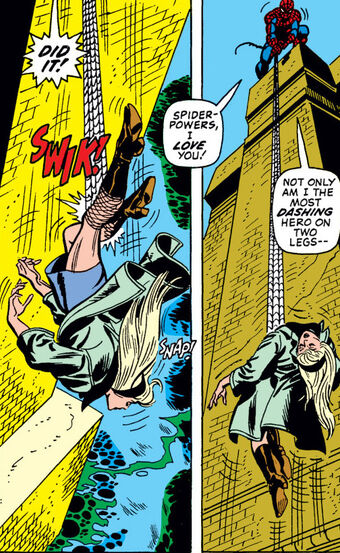
  • George Stacy's death in issue #90 was ground-breaking in itself but Gwen's death went a step further as Spidey's own role in the accident is less clear.  Yes, the Green Goblin threw her off the top of the George Washington Bridge but her neck snapped when Spidey tried to save her with his webbing.  In effect, Spider-Man accidentally caused her death.  Interestingly, the Green Goblin himself lets Spidey off the hook, asserting that the fall itself had likely already killed her.  Nonetheless, the question remains.
Amazing Spider-Man Vol 1 121 | Marvel Database | Fandom
via Marvel Database
  • Gwen Stacy's death is broadly considered to be the moment when the American comic book medium lost its innocence.  Spider-Man's good guy identity ultimately survived but the door was kicked open for morally ambiguous heroes and edgier storylines.
  • This issue is also considered by many to mark the ending of the Silver Age of comic books.
  • As if that weren't enough, Harry has his second bad acid trip in this issue.  Norman Osborn (alias: Green Goblin - boy has that story gotten complicated!) blames Harry's friends, including Peter, and kicks them out of the house when they come around to check on him.
Mary Jane Watson - Wikipedia
via Wikipedia
  • Featured: Mary Jane Watson. When I left the series after #38, we hadn't even seen her face yet.

The Amazing Spider-Man #122
July 1, 1973
Conway/Kane
  • Peter/Spidey is enraged over Gwen Stacy's death. 
  • Peter walks out on Harry while the latter is in need, still freaking out over his bad trip.
  • Mary Jane, however, turns out to be a better friend.  Peter is horrible to her when she meets him at his apartment and he sends her away.  In the issue's final frame, we see she's sticking around to tough it out with him.
Gerry Conway | Spiderman animated Wikia | Fandom
via Spiderman animated Wikia
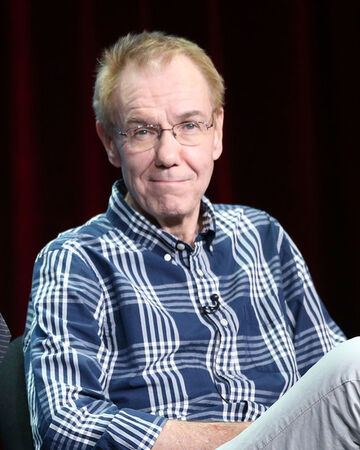
  • Writer Gerry Conway was born September 10, 1952 in New York City.  A comic book wunderkind, he published his first professional work at age 16 and succeeded Stan Lee as lead writer for The Amazing Spider-Man, Marvel's flagship, at 19.   He also co-created The Punisher for Marvel and Firestorm for DC, where he was the writer for Justice League of America for eight years.
  • Before moving on, I'd like to quickly reaffirm that The Amazing Spider-Man is definitely the best series Marvel had going in the Silver Age and the Peter Parker side of the story is largely the reason why.

Howard the Duck #1
January 1, 1976
Steve Gerber/Frank Brunner
  • And now for something completely different...
Howard the Duck - Wikipedia
via Wikipedia
  • Howard the Duck was the co-creation of Gerber and artist Val Mayerik.  The character first appeared in Adventure into Fear #19 in December 1973.  In 1976, he got his own series.  He is a talking and cigar-smoking duck from outer space.  He's angry.  He's depressed, opening with suicidal thoughts in this initial offering.  Howard's stories are dark satire, spoofing their own genre in the process.  Unsubtle social commentary drips from the (digital) pages.
  • Unlike most of the New York-based Marvel Universe, Howard dwells in the decidedly less glamorous Cleveland, Ohio, an easily maligned city in the mid-'70s.  At one point, Howard accidentally sets fire to the deeply polluted Cuyahoga River.  That happened in the real world, too.  Several times.  Today, there's a beer from the region called Burning River Pale Ale.
  • Well worth noting, though, Cleveland is a very important city to comic book history.  For starters, it was the early stomping ground of Jerry Siegel and Joe Shuster, co-creators of Superman.  It has been home to a thriving indy industry for decades.
  • The city also boasts a top-notch art museum and one of the finest symphony orchestras in the world.  All of that steel money was good for something.
  • It's also where my mom's from so back off!
Beverly Switzler (Earth-616) | Marvel Database | Fandom
via Marvel Database
  • In #1, Howard meets his scantily clad sidekick, though not yet girlfriend, Beverly Switzler.
  • Beverly has been kidnapped by Pro-Rata, a deranged super-villain accountant in a Dr. Strange-esque dreamscape.  Nope, not kidding.  Welcome to Howard the Duck.

Howard the Duck #2
March 1, 1976
Gerber/Brunner
  • Villain: Turnip-Man, created when Arthur Winslow, Beverly's friend-but-not-boyfriend, is possessed by an extra-terrestrial root vegetable.
  • James Bond reference!  The Man with the Golden Gun was, at the time, the most recent film release:


Howard the Duck #3
May 1, 1976
Gerber/John Buscema
  • Villain: Count Macho
  • Horrified by a street brawl turned deadly, and the glorification of violence in general, Howard learns the martial art of Quack-Fu.

Friday, July 3, 2020

Star Trek: Q Who

Episode: "Q Who"
Series: Star Trek: The Next Generation
Season 2, Episode 16
Original Air Date: May 8, 1989

Q Who (episode) | Memory Alpha | Fandom
via Memory Alpha

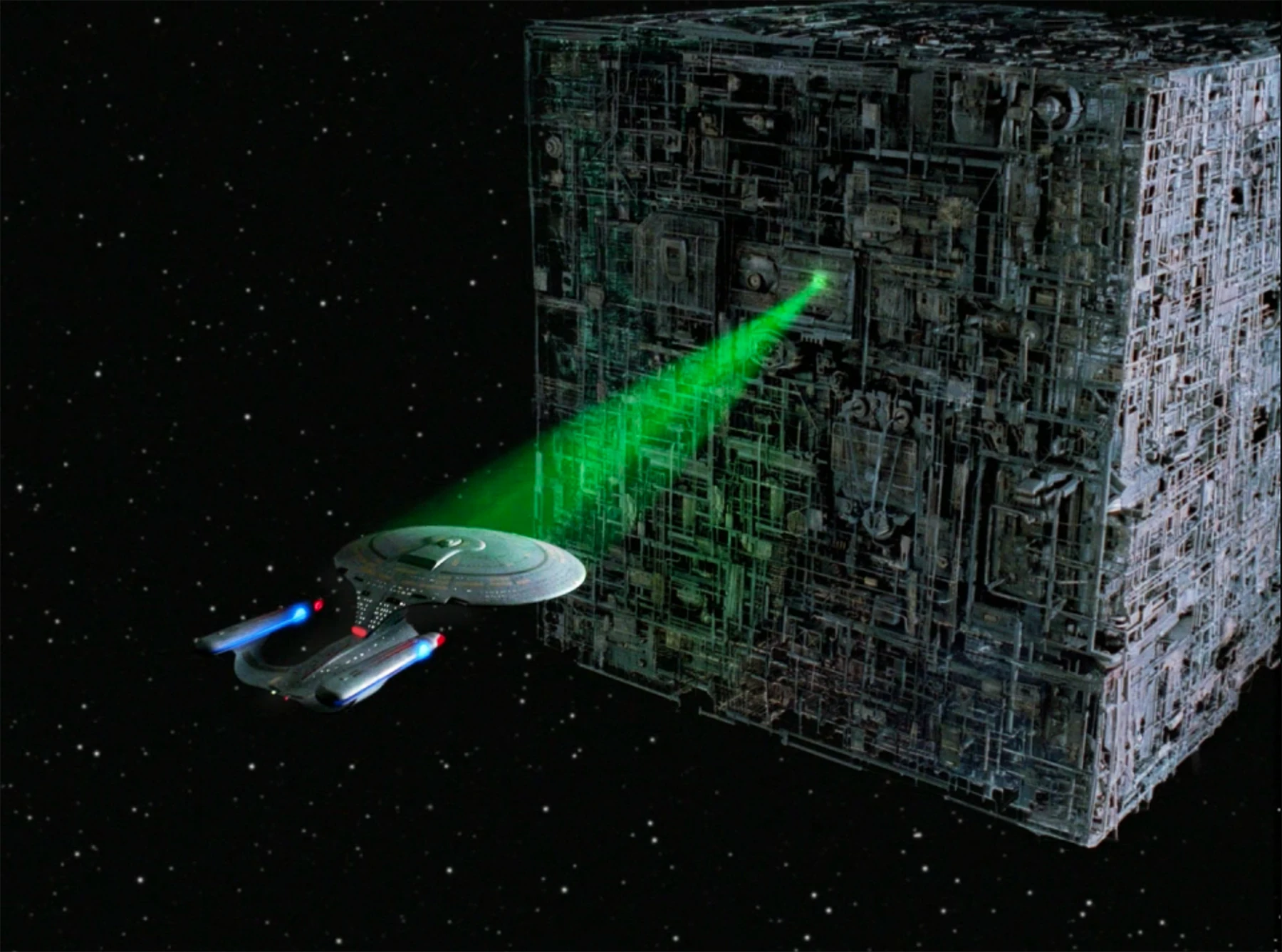
The mischievous Q sends the Enterprise careening into a new, distant part of the galaxy and into contact with the Borg, the ultimate in heartless, irresistible conquerors.  The Borg would become the primary adversary for TNG, the Ferengi having failed miserably in that capacity.  Despite their significance, the Borg only appear in six series episodes.  This is not unusual for Trek.  After all, the Klingons only appeared in seven TOS episodes, the Romulans only two.  In the dying days of the Cold War, a metaphorical threat to individuality and free will was still topical.  In this, the Borg were comparable to Doctor Who's Cybermen.

In the years since, there has been much discussion over how much of a "favor" Q did for our friends in bringing them into early contact with the Borg.  At the end of the episode, it is acknowledged that the collective will be heading to Earth now that they know it's there.  Damn Q!  But were they headed that way already and Q was providing early warning to prepare?  Had they, in fact, already been to Earth?  Later stories would imply both.  History can be revised to suit needs in a storytelling context.

Q Who (episode) | Memory Alpha | Fandom
via Memory Alpha


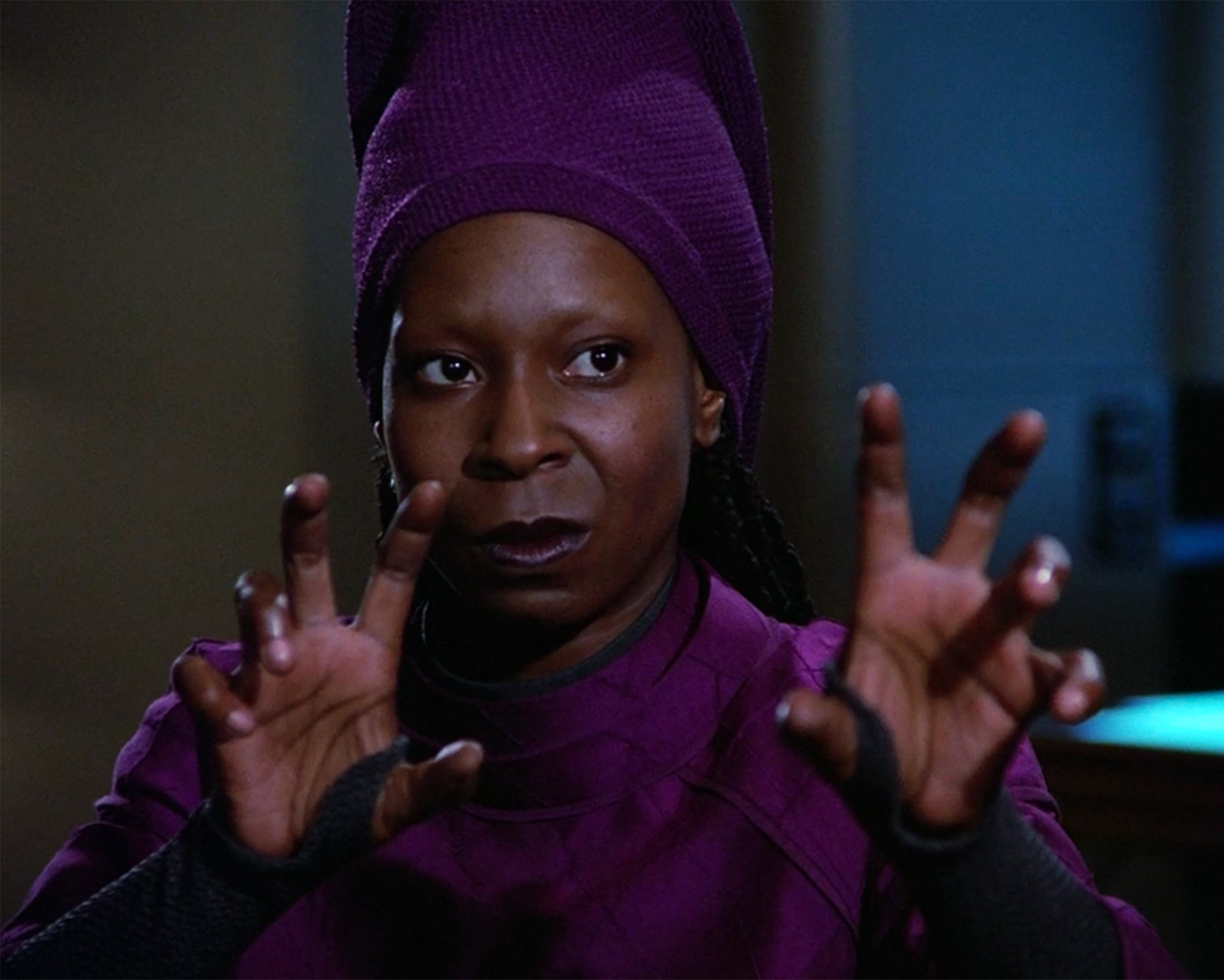
"Q Who" is also a rare development episode for Guinan.  We learn a lot - and yet not much at all - in Q's standoff with Gunian on Ten Forward.  Q knows her and, far more interestingly, fears her.  And if she is truly as dangerous as he claims, it's revealing that he didn't realize she was aboard the Enterprise - omniscient entity fail.  The series has already hinted that there's a lot more to our favorite bartender than meets the eye and this is the first story that probes.  We never make it far down that thread which is too bad. 


Acting Notes

Image result for john de lancie first nights
via Wikipedia

John de Lancie (Q) was born November 13, 1948 in Philadelphia.  His father was the principal oboist for the Philadelphia Orchestra for 23 years.  He struggled in school due to un-diagnosed dyslexia but was encouraged by a teacher to pursue acting, eventually winning a scholarship to Julliard.

De Lancie made 12 appearances as Q on three different Star Trek series.  Even though his is only a recurring role, he has acknowledged that the association opened quite a lot of doors for him.  In addition to his acting, he's done significant work in the classical music realm.  He has written and directed ten symphonic plays, hosted an adult concert series at Disneyland and even directed Tosca with the Atlanta Opera company.  He toured with Star Trek: Music, a concert series devoted to music from the franchise, narrated by him and Robert Picardo.  He is also a successful voice actor, most prominently as Discord in My Little Pony: Friendship Is Magic series.

Wednesday, July 1, 2020

Bitters of the Month: Peychaud's


Like Angostura, Peychaud's bitters is gentian-based.  However, Peychaud's has a distinctive anise flavor that sets it apart.  It's also sweeter than either Angostura or orange bitters.  My wife described it as herbal in flavor.  It's a pretty, dark pink in the glass as well.

Peychaud's bitters was invented by Antoine Amédée Peychaud, a Creole apothecary, in 1830.  Peychaud is also credited with inventing the Sazerac cocktail, the bitters being one of its key ingredients.  The product was historically produced in New Orleans, though the current parent company, Sazerac, is now headquartered in Louisville, Kentucky.


Squid on the Vine

Cave Saint Cyr, Pet Nat Beujolais Gamay Rosé
Bubbly
Delicate nose
Apple
Light
My rating: 8.3

Corte Gardoni, Greoto Bianco di Custoza Garganega Blend 2019
Dry
A little sour
My rating: 8.0

Monday, June 29, 2020

Marvel Immersion Project: The Avengers #92-97 and The Amazing Spider-Man #90

The Avengers definitely is not the series for me.  As discussed last week, there are simply too many characters and, not coincidentally, too many narrative threads running simultaneously.  Frankly, by the time I got to the end of The Kree/Skrull War series, the story had gotten so complicated and been spread so wide that I barely cared how it ended.  Good guys won.  That's all that matters, I guess.  I get the importance for future stories.  I get the solid topical efforts regarding war, nuclear weapons and the demonization of ethnic groups during times of crisis.  None of that was enough to save it for me.  I won't be returning to The Avengers anytime soon.

On the other hand...

I now return to The Amazing Spider-Man for two short but profoundly relevant stories, not just for Spidey and Marvel but for the entire American comic book industry.  Yes, I've been hinting about this one for a while and we're finally here.

Getting back to Spidey feels like I have come home.  While I would say both Silver Surfer and Black Bolt are more inherently interesting characters, Spider-Man's world is the most satisfying of Marvel's Silver Age and therefore generates the most consistently satisfying narratives.  I've been away for 52 issues and was keenly aware of how much I'd missed and how eagerly I want to go back and fill in my own gaps.  I will at some point.

Before we move on, a quick acknowledgement for the main writer of The Kree/Skrull War series.  I don't think he's the one to blame for the broader mess that is the Avengers.  Or maybe he is.  Regardless, he put in the hours and I shall give credit where it is due.

Roy Thomas - Wikipedia
via Wikipedia

Roy Thomas was born November 22, 1940 in Jackson, Missouri.  He graduated from Southeast Missouri State University in 1961.  Probably his most important contribution to the industry was the introduction of Conan the Barbarian, previously a pulp magazine hero, to comic books.  He is the co-creator of many characters, including Wolverine, Luke Cage, Ultron and Red Sonja.  He was inducted into the Will Eisner Comic Book Hall of Fame in 201l.


My Recent Reads

The Avengers #92
Originally Published September 10, 1971
Editor: Stan Lee
Writer: Roy Thomas
Artist: Sal Buscema
  • A guilty by suspicion story as H.W. Craddock accuses the Avengers, and particularly Captain Marvel, of befriending the invading Kree.
  • Col. Fury draws a parallel with the Japanese Internment Camps during World War II.
  • Jarvis, the Avengers' butler, is featured.
Edwin Jarvis - Wikipedia
via Wikipedia
  • Joe Cocker reference!

  • The Big Three (Iron Man, Captain America and Thor), disgraced by the accusations, disband the Avengers on the final page.

The Avengers #93
November 10, 1971
Lee/Thomas
Artist: Neal Adams
  • Hank Pym, now appearing as Ant-Man, journeys through Vision's android body to find what ails him.
Henry Pym (Earth-20051) | Marvel Database | Fandom
via Marvel Database
  • Crosby, Stills and Nash are the names of Pym's ants in this adventure.

  • The Big Three who dropped the bomb at the end of the last issue were actually shapeshifting Skrulls in disguise.  The same Skrulls, lead by the Super Skrull, kidnap Captain Marvel, the Scarlet Witch and Quicksliver.
  • "Fire and Rain" reference: the James Taylor song was released in February 1970.

  • David and Goliath reference.

The Avengers #94
December 10, 1971
Lee/Thomas
Artists: Neal Adams (parts 1 & 3) and John Buscema (part 2)
  • The Inhumans are featured, and fortunately they survive a WMD attack by Super Skrull.
  • The Super Skrull brings his three captives to the Skrull king.  The king tortures the twins in an effort to extort Kree tech secrets from Captain Marvel.
  • Triton appears in the last frame.

The Avengers #95
January 10, 1972
Lee/Thomas/Adams
  • An Inhumans story!  The Avengers save Black Bolt in San Francisco, then take him back to the Great Refuge where he, once again, wrests power away from Maximus.  
  • Maximus, wouldn't you know it, has aligned himself with the Kree.  There are implications, in fact, that all of the Inhumans are descended from the Kree.  In the years since, that interconnected history has evolved into something a bit more complicated.
Supreme Intelligence - Wikipedia
via Wikipedia
  • Featured: Supreme Intelligence

The Avengers #96
February 10, 1972
Lee/Thomas/Adams
  • The Avengers head to the Skrull world to help their kidnapped friends.
  • Mar-vell wasn't really helping after all.  He hoodwinked the Skrulls!
  • However, a nuclear warhead is heading toward Earth.
  • Rick Jones is kidnapped by the Kree.
  • Supreme Intelligence sends him into the Negative Zone.

The Avengers #97
March 10, 1972
Lee/Thomas/J. Buscema
  • You know what this story needs?  More characters.
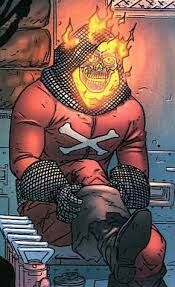
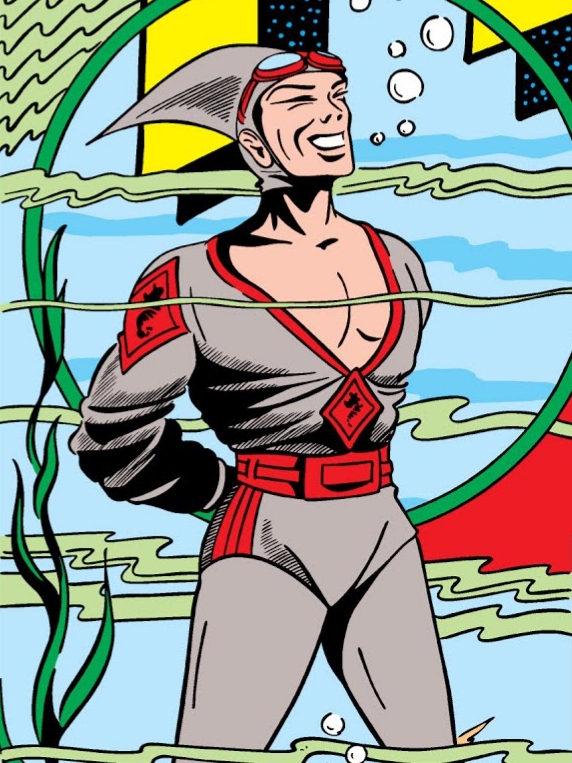
  • It turns out Rick Jones has a superpower, or at least one the Supreme Intelligence has granted him temporarily.  He is able to summon Marvel superheroes from the 1940s.  Included are the old Human Torch and a different Vision, one with a similar costume but a different color scheme (seriously?).  Other blasts from the past:
    • The Patriot
Jeffrey Mace - Wikipedia
via Wikipedia
    • Blazing Skull
Blazing Skull | Superhero Wiki | Fandom
via Superhero Wiki
    • The Fin
Peter Noble (Earth-616) | Marvel Database | Fandom
via Marvel Database
    • Angel
Angel (Thomas Halloway) - Wikipedia
via Wikipedia
  • Through means I don't entirely understand, the powers of both sides are diffused.  
  • Craddock is unmasked as a Skrull.
  • All is well. 

The Amazing Spider-Man #90
November 1, 1970
Lee/Gil Kane
  • Villain: Doctor Octopus
  • Featured: George Stacy, father of Gwen Stacy, Peter Parker's current girlfriend.
George Stacy - Wikipedia
via Wikipedia
  • George Stacy dies in this issue and Spidey/Peter blames himself.  This is a big deal.  The readership is put on notice: recurring characters within the Marvel Universe can die, permanently.
  • The death would be shocking enough in itself but add to it George's final revelation to Spider-Man while dying in the web slinger's arms: he knew Spidey was Peter.
  • I have been away from this series for 52 issues.  This was my own introduction to George Stacy - I barely met him before having to let him go.  Yet, the emotional impact for me is far beyond anything I've experienced in my time exploring other Marvel series. 

Friday, June 26, 2020

Star Trek: Pen Pals

Episode: "Pen Pals"
Series: Star Trek: The Next Generation
Season 2, Episode 15
Original Air Date: May 1, 1989

Pen Pals (episode) | Memory Alpha | Fandom
via Memory Alpha
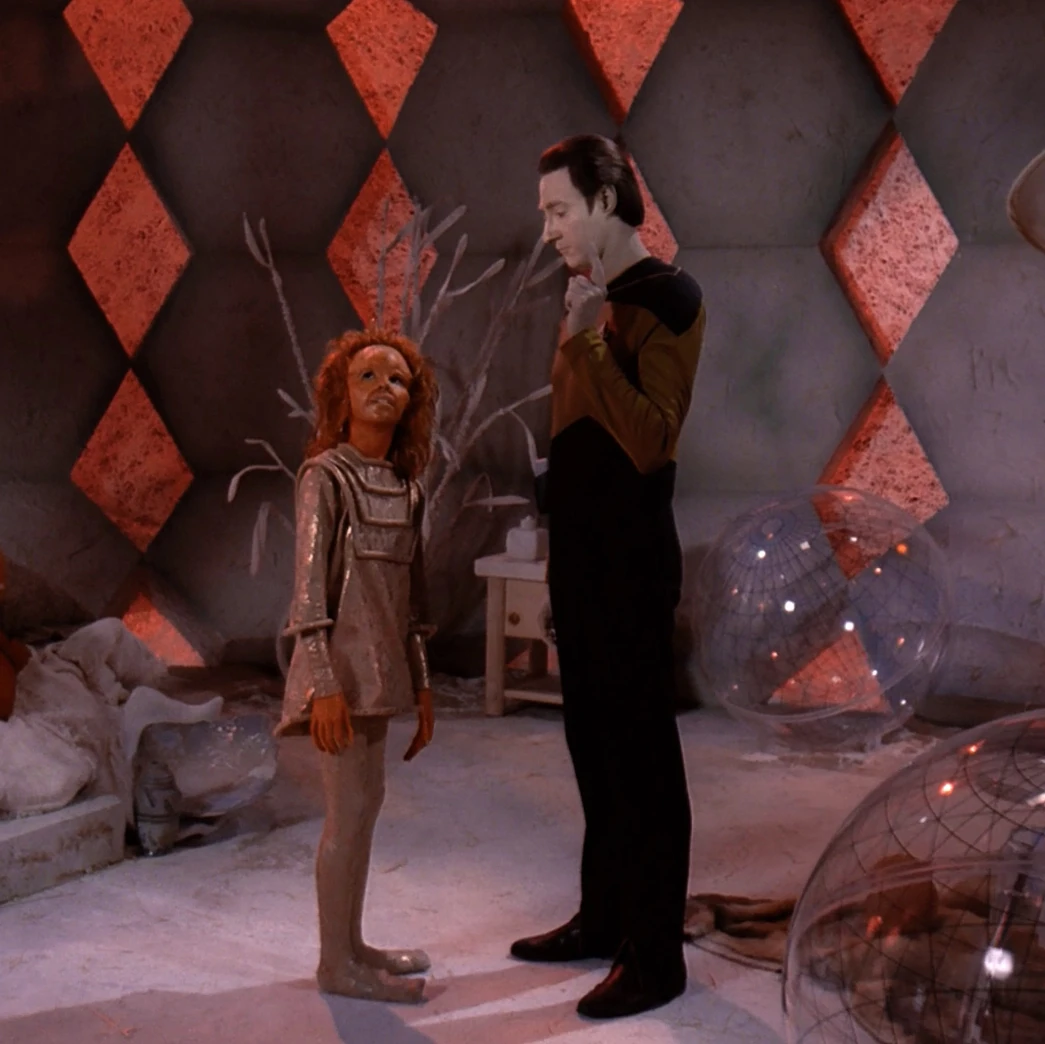
Data makes contact with Sarjenka, a little girl on Drema IV.  Her planet is in great peril.  If the Enterprise doesn't intervene, it's likely Sarjenka will die, along with the entire population of her world.  The complication: Drema IV is a pre-warp civilization and Starfleet interference would violate the Prime Directive.

I love the Prime Directive dilemma stories!  In my opinion, the PD is the best science fiction narrative device after Asimov's Three Laws of Robotics.  However, unlike the Laws which are absolutely rock sold, the PD is often no sooner mentioned than violated.  Still, the dilemma gets to the heart of the uniqueness of the Trek universe.  The TNG stories in this vein tend to be more effective than the TOS ones. 

The episode's secondary story - a Wesley tale, groan... - is also worthy of note.  Riker feels it's time for the young lad to experience command.  He assigns Acting Enign Crusher to lead a science team.  As always, there's the little voice in the back of my head nagging, "he doesn't deserve this."  That said, it is an interesting exploration of the dynamics of leadership and what it takes to learn the necessary skills.  Riker also emphasizes for Wesley the strong model available to him:
Riker: In your position, it's important to ask yourself one question.  What would Picard do?
Wesley: He'd listen to everyone's opinion, then make his own decision.
Wise man.


Food Notes

For the first time, Captain Picard succeeds in ordering and drinking his trademark "tea, Earl Gray, hot" from the replicator.


Acting Notes

Image result for nicholas cascone
via Memory Alpha

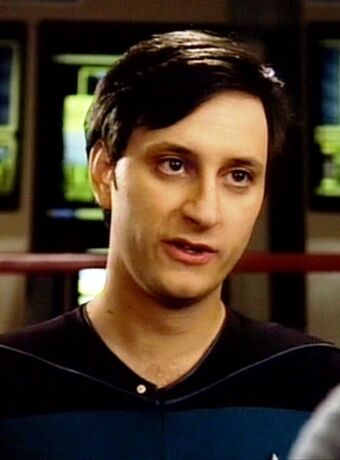
Nicholas Cascone (Ensign Davies) was born April 20, 1963 in New York City.  This was his first of two Star Trek appearances, also clocking in for DS9's "Equilibrium" as Timor.  Since Trek, he has appeared in Titanic, The West Wing and Dragonfly.

Wednesday, June 24, 2020

Squid Mixes: A Whiskey Champion Emerges


Two untested rye whiskeys in our price range are on sale in Vermont liquor stores for June: Jack Daniels Tennessee Rye and Ezra Brooks Straight Rye.  We picked up a bottle of each setting up, for now, our final whiskey battles...


George Dickel vs. Jack Daniels Tennessee Rye

Jack Daniels was fruitier.

Winner: George Dickel


George Dickel vs. Ezra Brooks

This was a particularly important battle.  Brooks is definitely a lower-shelf brand than most of the others we've tested.  At full price for each, Brooks is $12 cheaper than Dickel.  Brooks is a perfectly nice whiskey, having already triumphed over Old Overholt, our original favorite (read here).  And $12 really is rather a lot.  So, even if Dickel should win, it's likely only going to be our "when it's on sale" choice while Brooks remains our staple.

George Dickel is smokier.

Winner: Ezra Brooks

Well, what do you know?

My wife was quite surprised to find that she preferred the Brooks in the blind test.  What's interesting is that she'd never described Dickel as smoky before and, in fact, wouldn't have considered the word a redeeming adjective for a whiskey.  Nonetheless, her choice was clear.

No complaints here.  The preference will save us money.  While I think the other brands might be nice for a change of pace once in a while, our rye of choice is both tasty and affordable.  Everybody wins!

Next up: Vermouth Battles


Squid on the Vine

Fondo Bozzole, Giano Lambrusco Mantovano
A bubbly red
Cherry nose
Cherry, bubblegum taste
My rating: 8.1

Tuesday, June 23, 2020

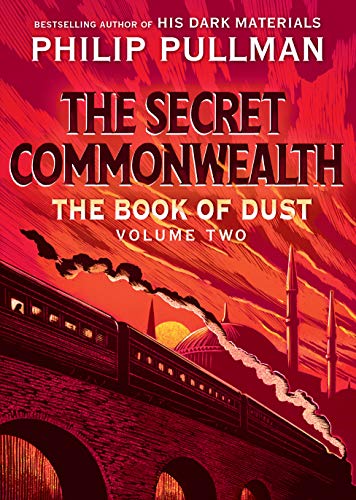
Family Book Swap: The Secret Commonwealth

Title: The Secret Commonwealth
Author: Philip Pullman

Amazon.com: The Book of Dust: The Secret Commonwealth (Book of ...
via Amazon
As expected, my wife gave me The Secret Commonwealth, the second volume of Philip Pullman's The Book of Dust trilogy for our latest book swap.  Here is my reflection on Book One.  The story is set some 20 years after La Belle Sauvage and about 10 years after His Dark Materials.

Lyra is a university student at Oxford, though in a different college from Jordan, the one that essentially raised her.  Pantalaimon, her separable daemon (long story - read the books!), witnesses a murder while out wandering one evening.  This sets off a chain of events that leads to Pantalaimon running away and Lyra setting off to find him, sending both on an adventure across Europe to what we know as Turkey.

Malcolm, whom we met in Book One of this series, still sees himself as Lyra's protector.  What's more, he's in love with her.  So, when she runs off after Pan, Mal runs off after her.  Luckily for all involved, he's become even more of a badass with age.  Seriously, George Smiley would be proud!

There's a lot more to all of this but it's complicated.  However, it's well worth immersing oneself in this world.  I wasn't too sure about this second trilogy, having enjoyed the original so much, but the second book has me convinced.  While it is set in the same world with, for the most part, the same protagonist, the story is not a feeble attempt to rehash the old.  With more adult characters comes a more adult atmosphere and a more adult adventure.  As with Book One, not a read aloud for the tots.

Perhaps most importantly, Pullman tests the limits of the very world he created, specifically the limits of the daemon-human bond.  The original series portrays the relationship as invariably blissful.  In the new, Lyra learns quite a lot about how different the reality can be, and not merely between herself and Pan.  While His Dark Materials begins with the "I am not what I seem" premise of so many fantasy tales, The Book of Dust revolves more around "The world is not quite what I've always assumed it was."  If anything, it makes the concept more believable.

One other thing I really like:  Lyra, whom we've now known at three life stages, is acknowledged as a sexual being.  She has had sex.  She enjoyed it.  No big deal.  At no point is she shamed for this.  Nice.

In fact, the story is so different that I wonder how well it would stand on its own.  I love His Dark Materials and would certainly encourage anyone who hasn't read it to do so but I don't think it's necessarily a pre-requisite.